Showing posts with label kyoto. Show all posts

1/13/20

Nishiyama Ryokan - Traditional hotel in Kyoto

 Nishiyama Ryokan - Traditional hotel in Kyoto


If you are a fan of Japan and Japanese culture, you will surely like to visit Kyoto at least once. When you decide to visit this beautiful city full of ancient buildings and monuments, I suggest that you book a stay in a traditional style hotel; a ryokan. One such place, located in the center of Kyoto, is the Nishiyama Ryokan. This small and affordable Japanese style hotel, know for its excellent hospitality and friendly staff, will welcome you with open arms. There are so many interesting things about this ryokan that make it stand out from the rest. First of all, its location is perfect. It is located in the central Kyoto area very close to the Kyoto Imperial Palace. There are many small restaurants and shops in the area that you can check out, all within a few minutes walk.    It is also conveniently located close to the Kyoto Shiyakusyo-mae subway station and several bus stops, which makes it easy to reach all the important spots in the city. One more thing that I really like about Nishiyama Ryokan is the fact that they are holding free Japanese Culture events like Tea Ceremony, Koto Concert, Calligraphy lessons, and workshops in their lobby almost every Friday. This is truly amazing since these events let you experience Japanese culture in the best possible way for free.


Nishiyama Ryokan offers several different room types, from authentic Japanese style rooms to spacious western-style family rooms. These rooms are quite cozy and have all you need during your stay there. The rooms are air-conditioned, have comfortable traditional futons, LCD TV, an attached bathroom, provided toiletries, and even yukata robes. They are also known for being extreme clean and well cared for. Also, if you have any issues, the friendly staff is eager to help in any way they can.


Nishiyama Ryokan features a nice traditional garden which is ideal if you want to relax from the rush of sightseeing all day. In the garden there is a beautiful clear-water pond and a wide variety of colorful flowers and greenery. One more thing that you can enjoy in this ryokan is a public bath with a natural waterfall. Keep in mind that men and women have separate bathing areas. I personally love to go to the hot bath after walking all day and just relax for an hour.


 After that, I love to grab a nice dinner, especially a traditional Japanese one. If you enjoy the same thing, you will be glad to hear that at Nishiyama Ryokan you can enjoy a wide variety of traditional Japanese meals made by an experienced Japanese chef. One of the meals that you can enjoy here is traditional Japanese Kaiseki cuisine, prepared with the freshest of seasonal ingredients for dinner with flavors matching the current season. One more good meal is the Japanese style breakfast which includes Yudofu "Boiled tofu", grilled fish, Japanese omelet, vegetables, Miso soup, and rice. Western-style meals can also be prepared if you desire, but I suggest that you try the amazing traditional meals offered here; you won't regret it I promise.


In the end, I have to say that I am satisfied with the things Nishiyama Ryokan offers and I suggest that you visit their website and learn more about them if you are looking for an affordable and good ryokan in Kyoto.


6/29/19

Japanese Cooking Class and Kitchen Knives

Japanese Cooking Class and Kitchen Knives


Are you a fan of Japan and Japanese cuisine who is planning to visit Kyoto? Do you wish to learn how to prepare simple but delicious Japanese home-made dishes and have a unique and fun food experience in Kyoto? If your answer is yes, then I have a perfect idea for you. Book a Japanese cooking class at Aogami Kyoto, and learn the ins and outs of Japanese cuisine with the help of a passionate and experienced chef.

Alexandre, founder of Aogami Kyoto, is a professionally trained French cuisinier who has been living in Japan for more than ten years now, regularly teaching French and Japanese cooking classes. He is extremely passionate about Japanese gastronomy and ancestral knife-making savoir-faire which makes him a perfect mentor for anyone who wishes to learn how to prepare tasty Japanese dishes. He will also introduce you to many aspects of Japanese culinary and cutlery tradition that you didn't previously know which will help you fully appreciate the art of Japanese gastronomy.


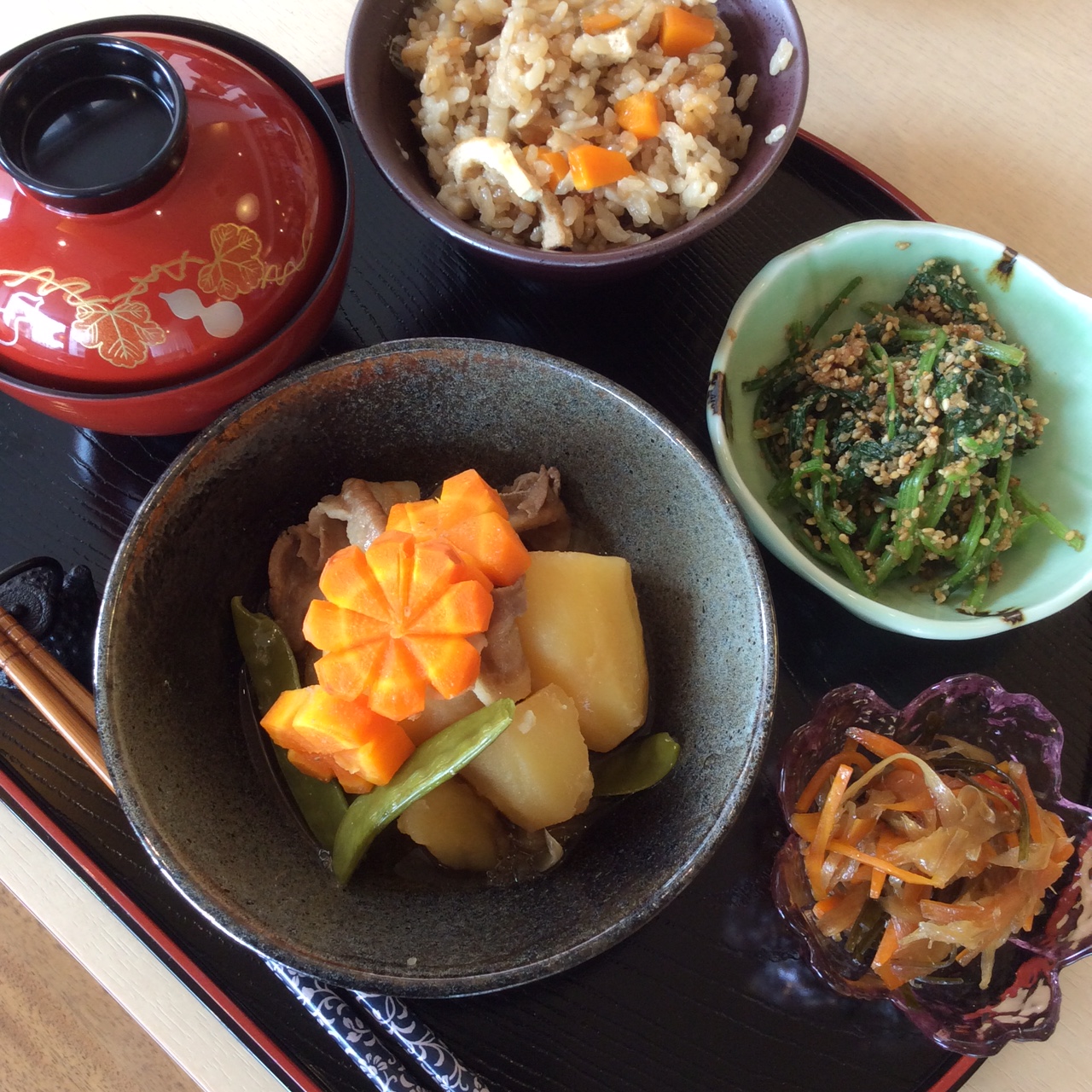
For example you will learn about Washoku, a central concept in Japanese culinary culture, recognized in 2013 by UNESCO as Intangible Cultural Heritage, that finds its basis in a rich food tradition that goes back several centuries. One expression that incorporates the basics of Washoku is “Ichi Ju-Sansai”, which means one soup and three dishes. The principle of eating a soup and three dishes is perceived to provide a balanced meal when accompanied with cooked rice and pickled vegetables. Eating rice with every meal is one of the primary differentiating features of Washoku cuisine. 

When attending a class at Aogami Kyoto you will precisely learn how to prepare a seasonal “Ichi Ju-Sansai” menu. At the end of the session, you will enjoy the delicious meal you created  and share your impressions.


But, that's not all! Aogami Kyoto offers you a great occasion to acquire quality Japanese kitchen knives of various shapes and sizes to help you prepare food easily! These knives handmade by talented craftsmen are robust, sharp, truly look spectacular and will surely become the centerpiece of your kitchen equipment. They are a perfect gift for a friend, a family member who enjoys cooking or for yourself as a memento of your incredible journey across the land of the rising sun.


For Japan-based France’s aficionado, Aogami Kyoto also proposes French cooking lessons to learn how to prepare mouth-watering French family and bistro classics. It's a perfect opportunity to try something new and be able cook the Parisian way at home!


If you love Japanese food, experience Washoku cuisine at Aogami Kyoto is definitely one of the best things you can do while visiting Kyoto. For more information about cooking classes and Japanese kitchen knives, make sure to visit Aogami Kyoto's website to learn more and book a cooking class for you, your family and friends.

1/30/19

Kyoto - Japan's Historic City of Wonders

Kyoto - Japan's Historic City of Wonders


Kyoto, officially Kyoto City, is the capital city of Kyoto Prefecture, situated in the Kansai district of Japan. It is best known in Japanese history for being the previous Imperial capital of Japan for more than one thousand years, just as a noteworthy piece of the Kyoto-Osaka-Kobe metropolitan zone. Throughout the hundreds of years, Kyoto was crushed by numerous wars and flames, yet because of its uncommon memorable esteem, the city was dropped from the rundown of target urban communities for the nuclear bomb and got away annihilation amid World War II. Innumerable sanctuaries, sanctums and other truly extremely valuable structures make due in the city today. Kyoto is the city of sanctuaries, and Kinkaku-ji remains the best of all. 


Settled in a perfect Zen Buddhist garden complex, the gold-plated building can be looked at from all edges over a quiet reflecting pool. Given voyagers may joyfully discover its sister structures, Gingaku-ji and Shokoku-ji, among the several charming sanctuaries dissipated about the city. The first city was organized as per customary Chinese feng shui following the model of the old Chinese capital of Chang'an. The Imperial Palace confronted south, bringing about Ukyo (the correct area of the capital) being on the west while Sakyo (the left segment) is on the east. The roads in the advanced wards of Nakagyo, Shimogyo, and Kamigyo-ku still pursue a framework design. Kyoto is most lovely in spring and fall. The stormy season (June– July) keeps going three to about a month; summers are sweltering and damp. Winter brings a few light snows and an entering "chilling from underneath" (sokobie). The yearly mean temperature of Kyoto is around 59 °F (15 °C); the most noteworthy month to month mean, 80 °F (27 °C), is in August, and the least, 38 °F (3 °C), is in January. The normal yearly precipitation is around 62 inches (1,574 millimeters). Albeit desolated by wars, flames, and tremors amid its eleven centuries as the supreme capital, Kyoto was not so much decimated in WWII. It was expelled from the nuclear bomb target list (which it had headed) by the individual mediation of Secretary of War Henry L. Stimson, as Stimson needed to spare this social focus, which he knew from his special night and later discretionary visits. 


Kyoto has been, and still remains, Japan's social center.[19][20] The legislature of Japan is moving the Agency for Cultural Affairs to Kyoto in 2021. Kyoto is a city of thousands of medium and little ventures, huge numbers of them family possessed and worked. When you close your eyes and consider Japan, you're likely imagining Kyoto: grand Zen gardens, baffling Buddhist sanctuaries, beautiful Shinto holy places, agile geisha. The truth of the matter is, Kyoto is the most remunerating city in Japan and a place all voyagers should visit in any event once in their lives. The three noteworthy celebrations (matsuri)— Aoi in May, Gion in July, and Jidai in October—are practically national occasions. The Jidai-matsuri ("Festival of the Ages") is a procession delineating, in period outfit, Japan's whole history. The Gion-matsuri (Gion Festival) dates from the ninth century and highlights in excess of 30 expound, cautiously safeguarded, hand-drawn buoys, some enriched with French Gobelin embroidered works of art imported through Nagasaki amid Tokugawa times. The northern slopes—Mount Hiei with its grand drive and the Takao locale for its fall foliage—are celebrated for their all around tended stands of Japanese cedar (sugi). Customary crafted works proliferate, and their produce for the traveler exchange is a critical component of Kyoto's financial life. Downtown Kyoto offers an immense range of eateries, markets, and stores, yet the most delightful parts of the city are found nearer to the Higashiyama mountains and slopes. The profound sentiment of the Japanese individuals for their way of life and legacy is spoken to in their unique association with Kyoto—all Japanese endeavor to go there at any rate once in their lives, with just about 33% of the nation's populace visiting the city yearly. A few of the memorable sanctuaries and greenery enclosures of Kyoto were by and large included as an UNESCO World Heritage site in 1994. Zone 320 square miles (828 square km). Pop. (2015) 1,475,183. You'll need to invest most of your energy in these territories. Kyoto's rich history and culture was clear inside long periods of venturing off the train. While it's anything but a little city using any and all means (the city is home to in excess of a million people), its plenitude of antiquated sanctuaries, holy places, trenches, wonderful gardens, and cobblestone avenues transports you back to a different universe. The focal piece of the city is swarmed with little workshops, which create such run of the mill Japanese products as fans, dolls, Buddhist special stepped area fittings, and finish product. Antipollution measures have constrained the once-flourishing Kiyomizu stoneware ovens to move to adjacent Yamashina.


If you want to learn even more about Japan and Japanese culture, check out the blog by our friend Jay from JayJapan. He runs a Japan shop and blog and has some great content covering many topics. Give his blog a read. You won't regret it!